
When couples start touring wedding spaces, it makes sense that the first thing they notice is the look. The view, the architecture, the ceremony backdrop, and the overall atmosphere usually lead the conversation. Those details matter, especially for couples planning a barn wedding. But wedding professionals tend to look at something else first.
Photographers, caterers, DJs, florists, planners, and officiants often focus on how the day will actually unfold. They notice whether there is enough room to move equipment, whether the timeline can flow without rushed transitions, and whether the space supports a smooth experience from arrival to the final dance. That is why a full-service barn venue stands out. It offers more than character and charm. It helps make the day go more smoothly.
For couples, that matters more than it may seem at first. A venue that works well for professionals often leads to a better experience for everyone involved. The day feels more organized, vendors can focus on doing their jobs well, and guests enjoy a celebration that moves naturally from one part of the event to the next.
A wedding day depends on many moving parts. Even a smaller wedding may involve a planner or coordinator, a photographer, a videographer, a DJ or band, a caterer, a florist, a baker, hair and makeup artists, rental teams, and an officiant. Each vendor has a specific role, but they all rely on the venue in some way.
A well-run barn wedding venue helps those professionals do their jobs without unnecessary friction. When vendors can arrive on time, set up efficiently, access the spaces they need, and communicate clearly with venue staff, the entire event feels calmer and more polished.
This does not just benefit the vendor team. It benefits the couple and their guests, too. A photographer who can move easily through the property is more likely to capture meaningful moments without interruption. A caterer with a practical setup process can stay focused on service rather than solving logistical problems. A DJ who understands the layout and timeline in advance is better prepared to manage announcements and transitions smoothly.
In other words, vendor-friendly design is not an extra perk. It plays a real role in how the day unfolds.
One of the biggest things vendors appreciate is a venue that supports a clear, realistic timeline. Weddings have a natural rhythm, but that rhythm only works when everyone knows where they need to be and when.
A strong barn wedding timeline allows vendors to prepare properly and avoid last-minute confusion. Setup times matter. Vendor arrival windows matter. Transition periods matter. These details shape the pace of the day long before guests ever notice them.
For example, photographers often plan around light, travel between photo locations, take family portraits, and capture key moments at the reception. Caterers need enough time for setup, food preparation, and service coordination. DJs need time for sound checks and cueing formal events like introductions, toasts, and first dances. Florists need access for delivery and placement before guests arrive. When a venue supports a structured schedule, vendors can work proactively instead of reactively.
This is also where experienced coordination makes a difference. Some of the best wedding planner tips are not about decor or trends. They are about building a timeline that leaves room for transitions, communication, and small delays without creating stress. Venues that understand this make the day easier for planners and couples alike.
A full-service setting is especially helpful because it often brings more organization to the process. Rather than leaving every detail to be solved separately, the venue becomes part of the day’s flow. That can reduce confusion and give the vendor team a stronger foundation to work from.
Layout matters more than many couples realize. A beautiful venue can still create challenges if the ceremony, cocktail hour, and reception spaces do not connect well.
Vendors notice how people will move throughout the day. They think about whether guests can transition comfortably from one part of the event to another. They consider whether staff can reset spaces without disrupting the workflow. They look at where equipment needs to go, how announcements will carry, and whether there are natural paths between key moments.
A seamless wedding venue experience often comes down to these practical details. If the ceremony ends and guests can easily move into the cocktail hour while the next space is prepared, the energy stays consistent. If the reception layout supports clear sightlines for speeches and dances, guests stay engaged. If the photographer can move between indoor and outdoor spaces without losing time, the couple gets more variety and better coverage.
At a barn wedding, flow is especially important because the venue often blends open outdoor areas with indoor gathering spaces. That combination can be one of the venue’s biggest strengths, but only if it is organized thoughtfully. A seamless layout reduces bottlenecks, reduces confusion, and helps every vendor work more effectively.
For couples, that means fewer awkward gaps, fewer rushed moments, and a celebration that feels intentional from beginning to end.
There are also practical features that may not make it into the first round of venue photos, but they make a real difference on the wedding day. These are the details vendors often appreciate most because they affect how easily the event can be set up and carried out.
Easy load-in and setup access can save time and reduce strain for florists, caterers, rental teams, and entertainment vendors bringing in equipment. When vendors do not have to navigate complicated entry points or long distances with heavy gear, setup becomes more efficient.
Climate-controlled interiors are another major advantage. Weddings involve formalwear, flowers, food, electronics, and guests of all ages. A comfortable indoor environment supports everyone, especially during hot summers or cooler evenings. It also helps protect equipment and floral arrangements.
Spacious restrooms may sound basic, but they matter for guests and vendor teams alike. Long lines or cramped facilities can affect comfort and the overall guest experience.
Accessible layouts help guests move through the event more comfortably and help vendors serve everyone more effectively. This includes clear walkways, manageable transitions between spaces, and practical access for those who may need accommodations.
Ample parking is another feature couples sometimes overlook until the wedding day gets closer. Vendors appreciate a venue where deliveries, arrivals, and guest parking can happen without confusion. Guests appreciate it too.
Dedicated preparation spaces are valuable for couples, but they also help photographers, hair and makeup teams, and planners stay organized. When there is room to get ready without crowding, the start of the day often feels more relaxed and easier to document.
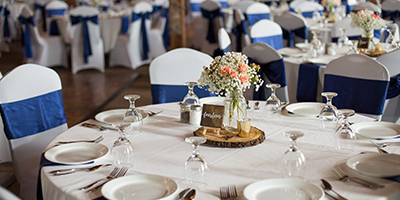
Finally, room for guests to move comfortably can shape the entire reception. Vendors notice whether guests can mingle easily, whether tables are spaced well, and whether there is enough room for dancing and service. A space that feels comfortable supports better hospitality and a more enjoyable evening.
These behind-the-scenes features may not be the first things couples ask about, but they often have a direct impact on how smoothly the wedding runs.
It is easy to hear all of this and think of it as a list of vendor preferences. In reality, it comes back to the couple.
When vendors can work efficiently, they have more energy and attention to give to the celebration itself. Instead of solving preventable logistical issues, they can stay focused on quality. The photographer can capture more candid moments. The caterer can deliver a steadier service experience. The DJ can keep the evening on track. The planner can spend more time supporting the couple rather than troubleshooting space-related issues.
That is why a full-service barn venue can be such a smart choice. It supports the people responsible for carrying out the wedding day, which helps the event feel more polished and less stressful. Couples may not see every operational detail in action, but they will feel the difference when the day runs smoothly.
This is also why vendor perspective can be so valuable during the venue search. Professionals who work weddings regularly know what helps a day flow well and what tends to create avoidable challenges. If a venue is consistently easy for vendors to work in, that is often a strong sign that the couple and their guests will have a better experience, too.
A barn wedding should feel warm, welcoming, and memorable. But beauty alone does not carry a wedding day. It takes planning, coordination, functionality, and a space that supports the people bringing the event to life.
That is what makes a full-service barn venue so appealing. It can offer the atmosphere couples love while also creating the structure vendors and planners rely on. Clear timelines, thoughtful layouts, practical amenities, and a strong operational setup all contribute to a smoother event from start to finish.
For couples comparing venues, this is worth considering early in the process. Ask how the venue supports setup, transitions, coordination, and guest comfort. Ask what makes the day easier for your vendor team. Those answers can tell you a lot about what your own experience may feel like.
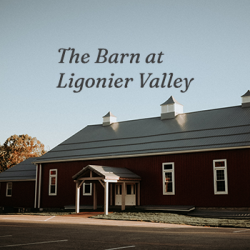
For couples considering The Barn at Ligonier Valley, these are exactly the kinds of details worth paying attention to. A venue that supports both the vision and the logistics of the day can make planning feel more manageable, and the wedding itself feel more seamless.
Contact us today to start planning your wedding!